


Apparent Mancozeb 750g/kg 20kg Fungicide
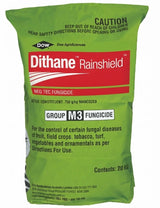
- Active ingredient
- 750 g/kg Mancozeb
- Controls
- Almond: brown rot, freckle, shothole; Apple: apple scab, bitter rot, fly speck, sooty blotch, target spot; Apricot: brown rot, freckle, shothole; Banana: black pit, Co...
- Withholding period
- Harvest: Bananas: not required when used as directed. Mangoes, passionfruit, custard apples and pawpaws (papaya): do not apply later than 1 day before harvest. Papaya leaves must not be made available for human consumption. Beans, carrots, celery, cole crops, cucurbits, garlic, onions, peas, soybeans, tomatoes: do not apply later than 7 days before harvest. Almonds, beetroot, cotton, capsicums, fennel, lettuce, passionfruit, peanuts, pome fruit, rhubarb, silverbeet, spinach and stone fruit: do not apply later than 14 days before harvest. Grapevines: do not apply later than 30 days before harvest. Poppies: do not apply later than 7 weeks before harvest. Green legumes, pulse crops: green crops: do not apply later than 7 days before harvest; grain crops: do not apply later than 4 weeks before harvest. Citrus, potatoes, tobacco: WHP not required when used as directed. Grazing: Cotton: do not allow livestock to graze cotton crop stubble or gin trash that has been treated with Apparent Mancozeb 750 DF Fungicide. Green legumes, peanuts, pulse crops (grown for dry beans): do not graze or cut for stockfood for 14 days after the last application. Papaya: do not use or supply treated papaya including leaves for stock food. Peas and beans (for fresh consumption): do not graze or cut for stockfood for 7 days after the last application. Soybeans: do not graze or cut for stockfood for 14 days after the last application. — always confirm on the registered label
Apparent Mancozeb 750 DF Fungicide, a water dispersible granule fungicide for use in registered crops as specified in the Directions for Use table on the registered label.
Active constituent: 750 g/kg Mancozeb
Registered crops (APVMA register): almond, apple, apricot, banana, beetroot, broad bean, broccoli, brussels sprouts, cabbage, capsicum, carnation, carrot, cauliflower, celery, cherry, chickpea, chrysanthemum, citrus, common bean, cotton (refer to label), cucumber, custard apple, fennel, field pea, garlic, grapevine, green bean, lentil, lettuce, lupin, mango, melon, nectarine, onion, passionfruit, pawpaw, peach, peanut, pear, plum, pome fruit, poppy, potato, pumpkin, rhubarb, rockmelon, rose, silver beet, spinach, squash, tobacco, tomato, turf, vetch, zucchini.
Schedule: S5. APVMA 65666.
Pack size: 20 kg
Always read the registered label before use (APVMA 65666).
Active Ingredient: 750 g/kg Mancozeb
Chemical Schedule: S5
APVMA Reg. No: 65666
Harvest: Bananas: not required when used as directed. Mangoes, passionfruit, custard apples and pawpaws (papaya): do not apply later than 1 day before harvest. Papaya leaves must not be made available for human consumption. Beans, carrots, celery, cole crops, cucurbits, garlic, onions, peas, soybeans, tomatoes: do not apply later than 7 days before harvest. Almonds, beetroot, cotton, capsicums, fennel, lettuce, passionfruit, peanuts, pome fruit, rhubarb, silverbeet, spinach and stone fruit: do not apply later than 14 days before harvest. Grapevines: do not apply later than 30 days before harvest. Poppies: do not apply later than 7 weeks before harvest. Green legumes, pulse crops: green crops: do not apply later than 7 days before harvest; grain crops: do not apply later than 4 weeks before harvest. Citrus, potatoes, tobacco: WHP not required when used as directed. Grazing: Cotton: do not allow livestock to graze cotton crop stubble or gin trash that has been treated with Apparent Mancozeb 750 DF Fungicide. Green legumes, peanuts, pulse crops (grown for dry beans): do not graze or cut for stockfood for 14 days after the last application. Papaya: do not use or supply treated papaya including leaves for stock food. Peas and beans (for fresh consumption): do not graze or cut for stockfood for 7 days after the last application. Soybeans: do not graze or cut for stockfood for 14 days after the last application.
Always read the current registered product label before use. Withholding periods must be observed before slaughter, milking, or egg collection. The label supplied with the product is the legal document and takes precedence. If in doubt, contact TGRM on (07) 5482 1692 or the manufacturer directly.
Always read the current registered product label before use. Dose rates and withholding periods on this page are provided as a guide only. The registered label supplied with the product is the legal document and takes precedence. If in doubt, contact TGRM on (07) 5482 1692 or the manufacturer directly.
Always read the label and follow directions for use. The registered label is the legal document governing use of this product.
Download the Safety Data Sheet for this product:
Download SDS (PDF)Required for safe handling and storage. Keep on-site per WHS regulations.
Common Questions
Which crops is Apparent Mancozeb 750 DF registered for?
The APVMA register lists: almond, apple, apricot, banana, beetroot, broad bean, broccoli, brussels sprouts, cabbage, capsicum, carnation, carrot, cauliflower, celery, cherry, chickpea, chrysanthemum, citrus, common bean, cotton (refer to label), cucumber, custard apple, fennel, field pea, garlic, grapevine, green bean, lentil, lettuce, lupin, mango, melon, nectarine, onion, passionfruit, pawpaw, peach, peanut, pear, plum, pome fruit, poppy, potato, pumpkin, rhubarb, rockmelon, rose, silver beet, spinach, squash, tobacco, tomato, turf, vetch, zucchini. Check the Directions for Use table on the label for the diseases, rates and withholding periods for each crop.
What is the active constituent?
750 g/kg mancozeb, formulated as a water dispersible granule.
Where can I find the label and safety information?
Always read the registered label (APVMA 65666) and Safety Data Sheet before use. If you need help finding these documents, contact TGRM on (07) 5482 1692 or visit us at 55 Tozer St, Gympie.
Do you ship this product Australia-wide?
As a regulated chemical, this product can only be transported by road freight, it cannot be sent via Australia Post or air freight. Call us on (07) 5482 1692 before ordering to confirm delivery to your area.
Mainland Australia only — we’re unable to deliver this product to Tasmania. It is classified as environmentally hazardous (a marine pollutant), so it is regulated as a dangerous good for sea and air transport and our freight carriers will not accept it on those routes. Because every route to Tasmania and offshore destinations needs a sea or air leg, we can only deliver it to mainland addresses by road. Call us on (07) 5482 1692 if you are unsure about your address.
Can you deliver this to Tasmania?
Not at this time. This product is environmentally hazardous (a marine pollutant), so it is regulated as a dangerous good for sea and air freight and our carriers do not accept it on those routes. As every route to Tasmania involves a sea or air crossing, we can only deliver it within mainland Australia by road. If you are in Tasmania, please call us on (07) 5482 1692 and we will help you find an alternative product.
Can I Click & Collect from Gympie?
Yes — Click & Collect is available from our store at 55 Tozer St, Gympie. Open Mon–Fri 8am–5pm and Sat 8am–12pm. Click & Collect is FREE on orders of $175 or more, or a flat $10 on orders under $175. Select Click & Collect at checkout and we will have your order ready.